Practical answers on Keratinase Enzyme for feathers, hair, wool, bristles, hides, and other keratin-rich feedstocks, with guidance on process fit, pilot trials, quality, and sourcing.
Unlock value from the world’s toughest keratin streams.
Keratinase Enzyme is used when ordinary protein processing does not give enough conversion, consistency or value from keratin-rich materials. This FAQ is for buyers: processors, manufacturers, procurement teams and distributors evaluating bulk keratinase for feather meal, peptide production, leather, textile recycling, fertilizer inputs and waste valorization. Keratinase Enzyme Solutions supplies keratinase wholesale; pricing is quoted per order.
Ready to price a supply? Send the product you need, the quantity per order or per month, and the destination country. Request a quote

Keratin is mechanically tough, chemically resistant, and highly structured. The commercial question is not simply whether it can be broken down. The question is whether it can be converted in a controlled way that fits your feedstock, your equipment, and your target product specification.
What to send for a quote: product, quantity, destination country.
Primary role: targeted biological deconstruction of keratin-rich substrates into smaller, more processable protein fractions.
Keratinase Enzyme is a proteolytic enzyme system selected for its ability to attack keratin, a structural protein found in feathers, hair, wool, bristles, horn, hoof, and related animal-derived materials. Keratin is difficult to process because its fibrous architecture and crosslinked structure resist water, heat, and many conventional protein treatments.
In industrial use, keratinase helps loosen, fragment, and solubilize keratin-containing feedstocks so they can be converted into more useful peptide, protein hydrolysate, or process-intermediate streams.
A general protease may hydrolyze accessible proteins, but keratin presents a more resistant physical and chemical structure. Keratinase is selected for performance against that tougher substrate class.
For processors, the distinction matters because keratin-rich material often contains both accessible proteins and resistant fibers. A suitable keratinase program is designed around the hard fraction, not only the easy fraction.
Keratinase is commonly evaluated for:
Performance depends on feedstock origin, cleanliness, particle size, prior heat exposure, fat content, mineral load, and whether the material has been chemically treated.
It can support substantial breakdown, but complete dissolution is not always the commercial objective. Many industrial programs target a defined output rather than total disappearance of the raw material.
Depending on the application, the goal may be:
The right question is: what final product do you need, and what conversion level creates economic value?
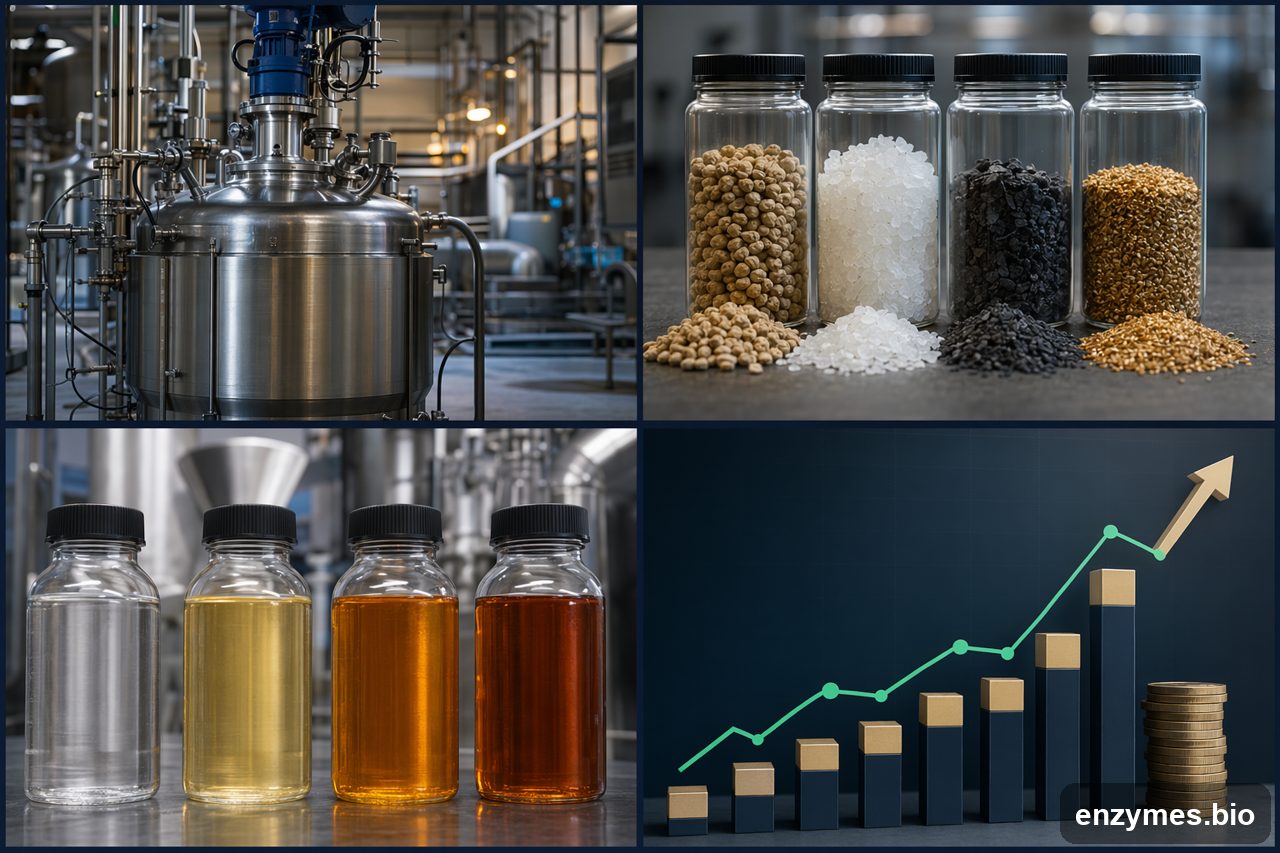
Keratinase is relevant anywhere keratin-rich material is a cost, constraint, or underused resource. Common evaluation areas include:
Keratinase can support conversion of feather and related protein streams into more accessible nutrition fractions. The commercial focus is usually digestibility, consistency, and ingredient value.
Keratin hydrolysates may be developed for organic nitrogen contribution, amino acid content, or peptide-rich agricultural inputs, depending on regional regulations and product positioning.
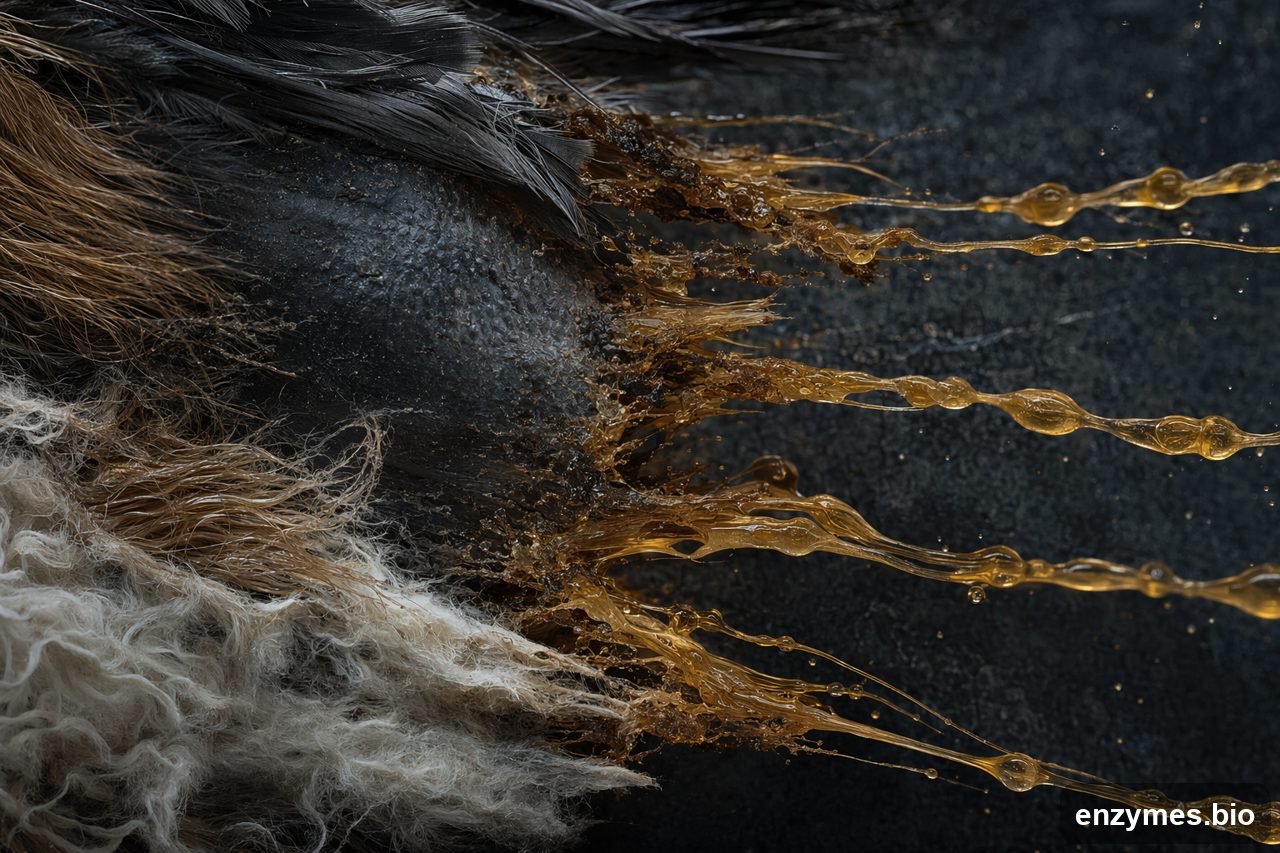
Keratinase can be used to modify wool fiber surfaces or support controlled processing of wool waste. In this context, over-treatment can damage value, so control is critical.
Keratinase may be evaluated for selective protein modification where lower chemical severity or cleaner processing is desired.
Processors handling feather, hair, bristle, wool, or hide residues use keratinase to turn difficult organic waste into a more manageable intermediate or saleable ingredient stream.
Keratinase performance is shaped by process conditions rather than by the enzyme alone. Key variables include:
Many industrial processes operate in a warm, controlled, often alkaline environment, but the best window depends on substrate, equipment, and target output. Keratinase Enzyme Solutions evaluates fit around your actual process rather than forcing a generic recipe.
Sometimes. Pretreatment is not a formality; it determines how much of the keratin structure the enzyme can access.
Possible pretreatment approaches include:
The aim is to expose the substrate without destroying the value of the final product or creating avoidable downstream burdens.
Often, yes, but mixed feedstocks require tighter evaluation. A mixture of feathers, hair, hide residues, fat, minerals, dirt, or prior chemical treatments can behave very differently from a clean single-source substrate.
For mixed materials, we recommend defining:
If the input stream changes often, the process should be designed for robustness rather than peak performance on one perfect sample.
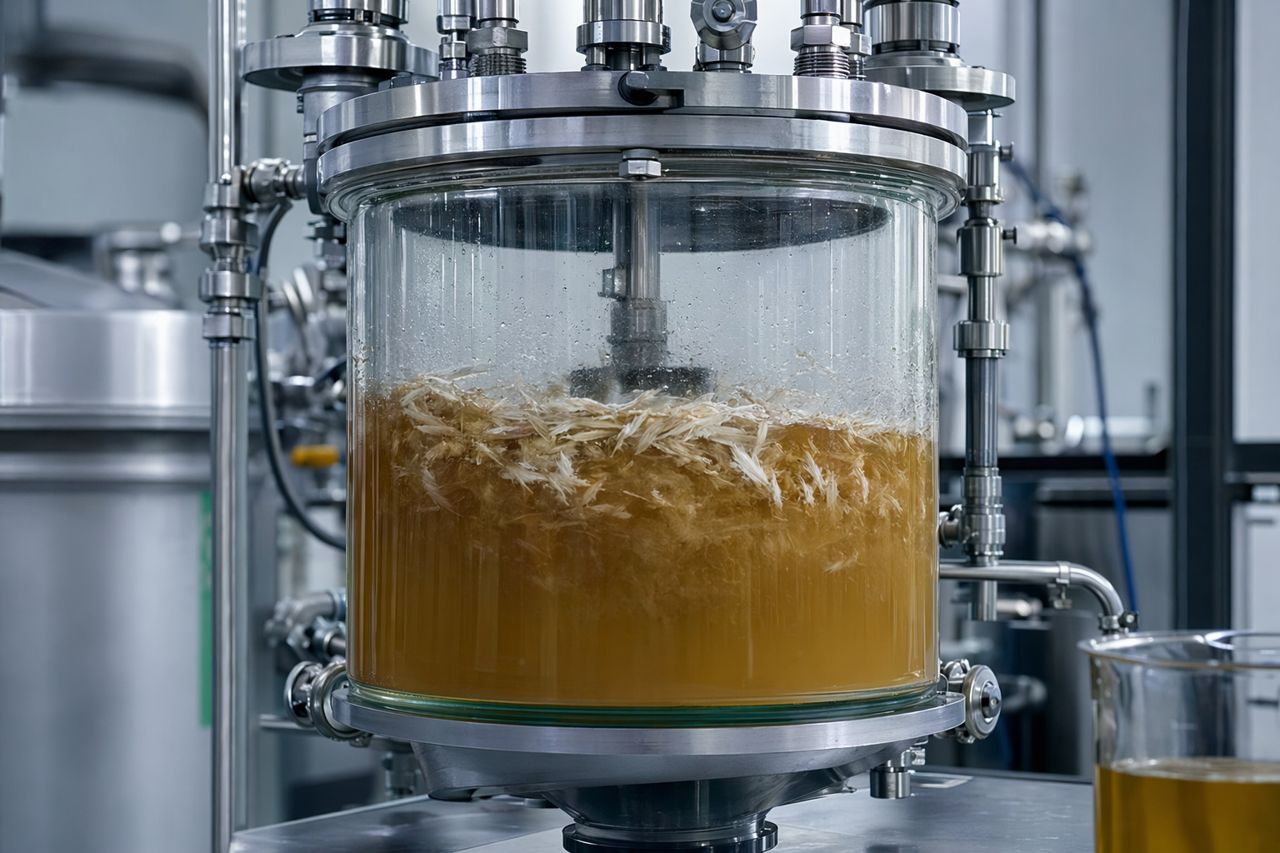
The output can range from a partially softened fiber slurry to a clarified soluble peptide fraction, depending on process design. Final appearance and handling may vary by substrate and downstream separation.
Typical commercial targets include:
The enzyme is only one part of the system. Filtration, centrifugation, evaporation, drying, and stabilization determine much of the final product experience.
Keratin processing can create odor if temperature, residence time, microbial control, and handling are not managed well. Keratinase may reduce the need for harsher processing, but it does not automatically eliminate odor risk.
Odor control should be considered during pilot design, especially for feather, hair, and hide-based streams. Process controls may include closed handling, timely heating or cooling, pH management, clean-in-place planning, and rapid separation or drying after the reaction stage.
Protein hydrolysis can generate foam in some systems, especially under vigorous mixing or aeration. Foam behavior depends on protein concentration, fat content, vessel geometry, agitation, and downstream handling.
If foam is a known issue in your operation, it should be tested during pilot work rather than discovered after scale-up.
Reaction control can be managed by changing process conditions so the enzyme is no longer active in the desired production step. Depending on the product and equipment, this may involve thermal treatment, pH shift, separation, drying, or another validated process hold.
The stop strategy should be chosen around product quality, regulatory expectations, energy cost, and compatibility with downstream equipment.
It can be, depending on the substrate and target product. Some processes combine keratinase with other proteolytic or accessory enzyme systems to improve conversion of mixed protein streams.
However, compatibility should not be assumed. Enzymes can compete, degrade one another, or shift the peptide profile in a way that affects final product value. Combination programs should be tested against a clearly defined output specification.
Ask which documents are available for the grade you need: we tell you which ones exist for that grade. Items buyers commonly ask about include:
For regulated end uses, confirm documentation requirements early so they can be built into sourcing and qualification.
A practical evaluation usually follows four steps.
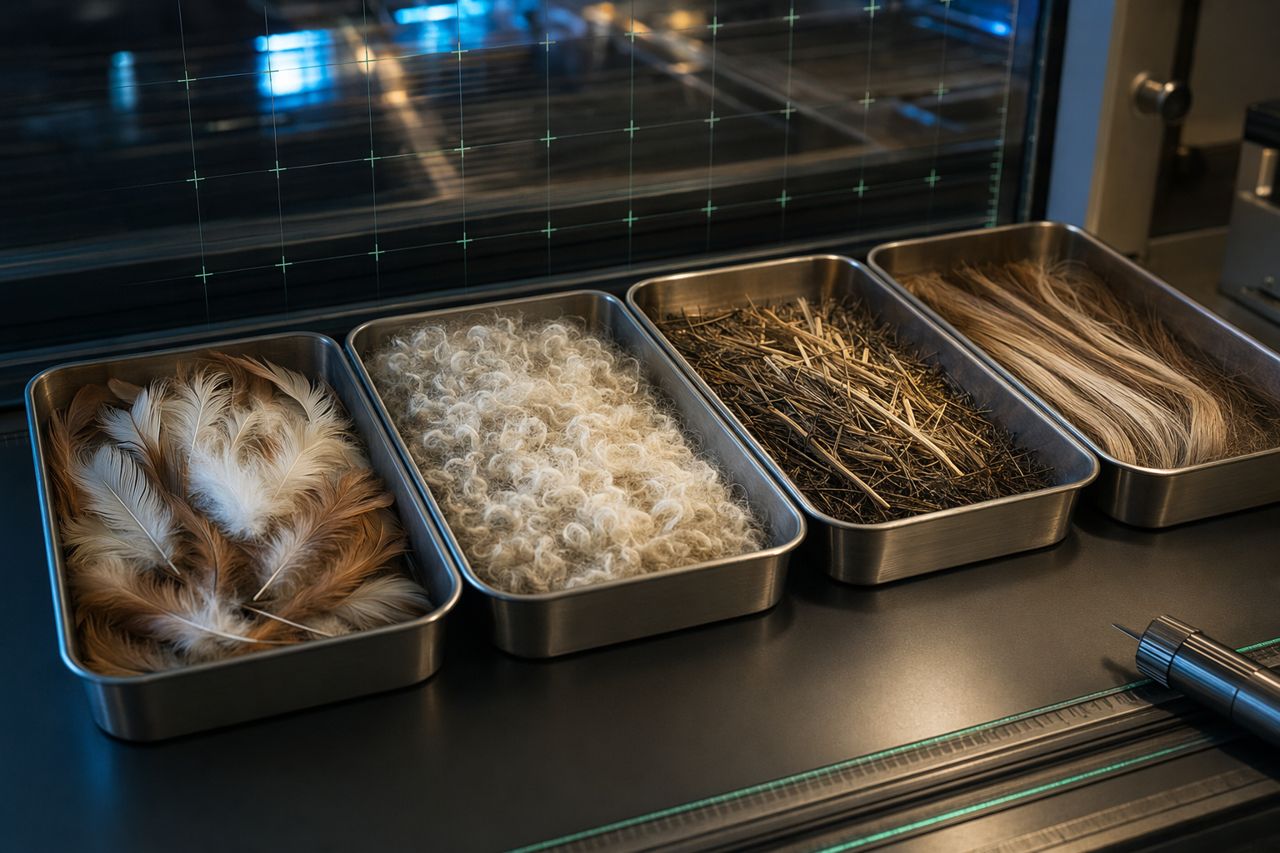
Provide feedstock source, photos, process history, expected variability, and known contaminants. Keratinase performance is highly substrate-dependent.
Decide whether the goal is solubility, digestibility, viscosity reduction, fiber disappearance, peptide profile, improved drying, or a specific downstream formulation need.
The trial should test the actual feedstock, actual water quality where possible, realistic mixing, expected pH management, and a downstream separation route.
Evaluate enzyme cost alongside yield improvement, energy savings, chemical reduction, waste reduction, throughput, labor, odor control, and product value.
For a useful quotation, include as much of the following as possible:
A clear process brief allows pricing to be tied to real application fit, not a generic catalog assumption.
Yes, keratinase is often evaluated for keratin-derived peptide production. The key is controlling the degree of hydrolysis and downstream refinement so the output matches its intended market.
Peptide applications may require attention to:
For B2B programs, the peptide stream should be designed from the target specification backward.
It may support sustainability goals when it helps reduce waste, lower chemical severity, valorize byproducts, or improve yield from existing raw materials. Claims should be based on measured process outcomes, not simply the presence of an enzyme.
Useful metrics include:
Most failures are not caused by the enzyme alone. Common causes include:
A strong keratinase program treats enzyme selection, process engineering, and final product specification as one system.
Timelines depend on substrate complexity, documentation needs, and whether the customer already has a pilot line. A simple feedstock evaluation can move quickly; a regulated ingredient or multi-site production program requires more planning.
The fastest projects usually have three things ready: representative substrate, a defined output target, and a decision team that includes operations, quality, and procurement.
Wholesale and bulk supply for manufacturers, processors, distributors and resellers. Send three things:
Pricing and terms are quoted per order. Request a quote
Tell us your application and volume — we reply with pricing and lead time.
We have received your message. We will reply by email.